Japanese Pokemon Cards vs English: What Singapore Collectors Need to Know in 2026

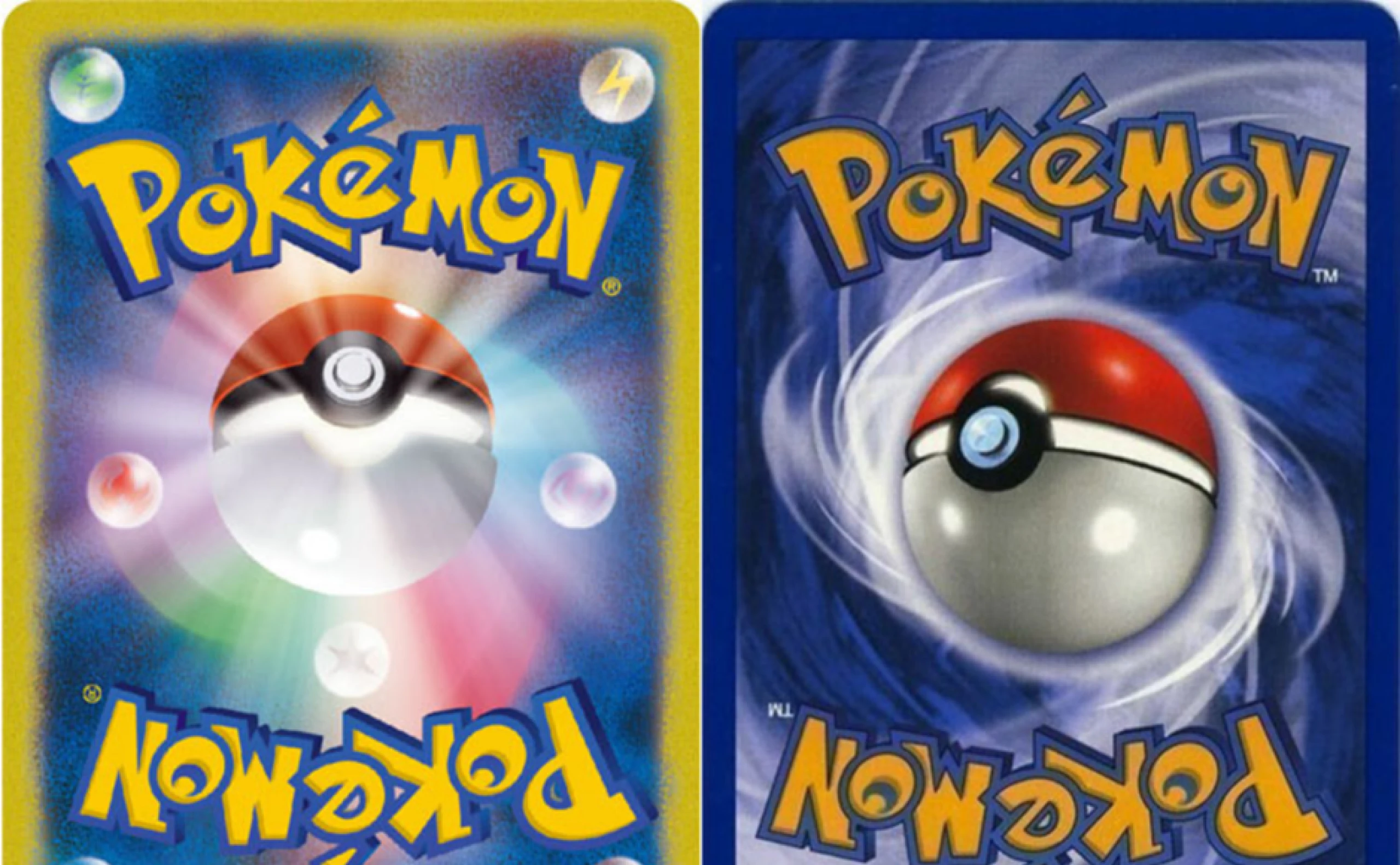
Table of Contents
Japanese Pokémon cards are often regarded by collectors as a benchmark for print quality, thanks to their crisp details, cleaner finishing, strong texture, and distinctive holofoil effects. However, choosing between Japanese and English Pokémon cards is not only about appearance. For Singapore collectors in 2026, the Japanese vs English Pokémon cards debate also involves pack structure, pull expectations, exclusive releases, grading potential, availability, and long-term market demand.
This guide examines the key differences between both versions, including print quality, rarity structure, pricing behaviour, and collecting value. It also looks at how regional availability and collector preferences in Singapore can influence buying decisions, helping collectors make more informed choices based on their goals, whether they are collecting for display, grading, investment, or personal enjoyment.
English Pokémon Cards vs Japanese Pokémon Cards Key Differences
Card Size, Pack Structure & Print Quality
The key differences between English Pokémon Cards vs Japanese Pokémon cards begin with pack composition and release structure. Standard Japanese booster boxes commonly contain 30 packs, with many packs holding 5 cards, while English booster boxes usually contain 36 packs. In the Scarlet & Violet era, English booster packs contain 10 main cards, plus an Energy card and a code card. This creates different value expectations for Singapore collectors, especially when comparing sealed boxes, pull rates, and chase-card availability.
Japanese booster boxes are also known for more predictable hit structures. Many modern Japanese boxes include guaranteed pulls, often at least one SR or higher card depending on the set. English booster boxes, on the other hand, remain random and do not guarantee a fixed number of hits, even in the Scarlet & Violet era.
Print quality is another major reason collectors compare Japanese and English Pokémon cards. Japanese Pokémon cards are often praised for sharper printing, cleaner texture, stronger colour depth, and more consistent centering. For Singapore collectors considering grading submissions, Japanese cards are often seen as strong grading candidates because of their manufacturing consistency, although PSA 10 rates still vary depending on the card, set, condition, and handling.
Exclusive Cards & Alternate Arts
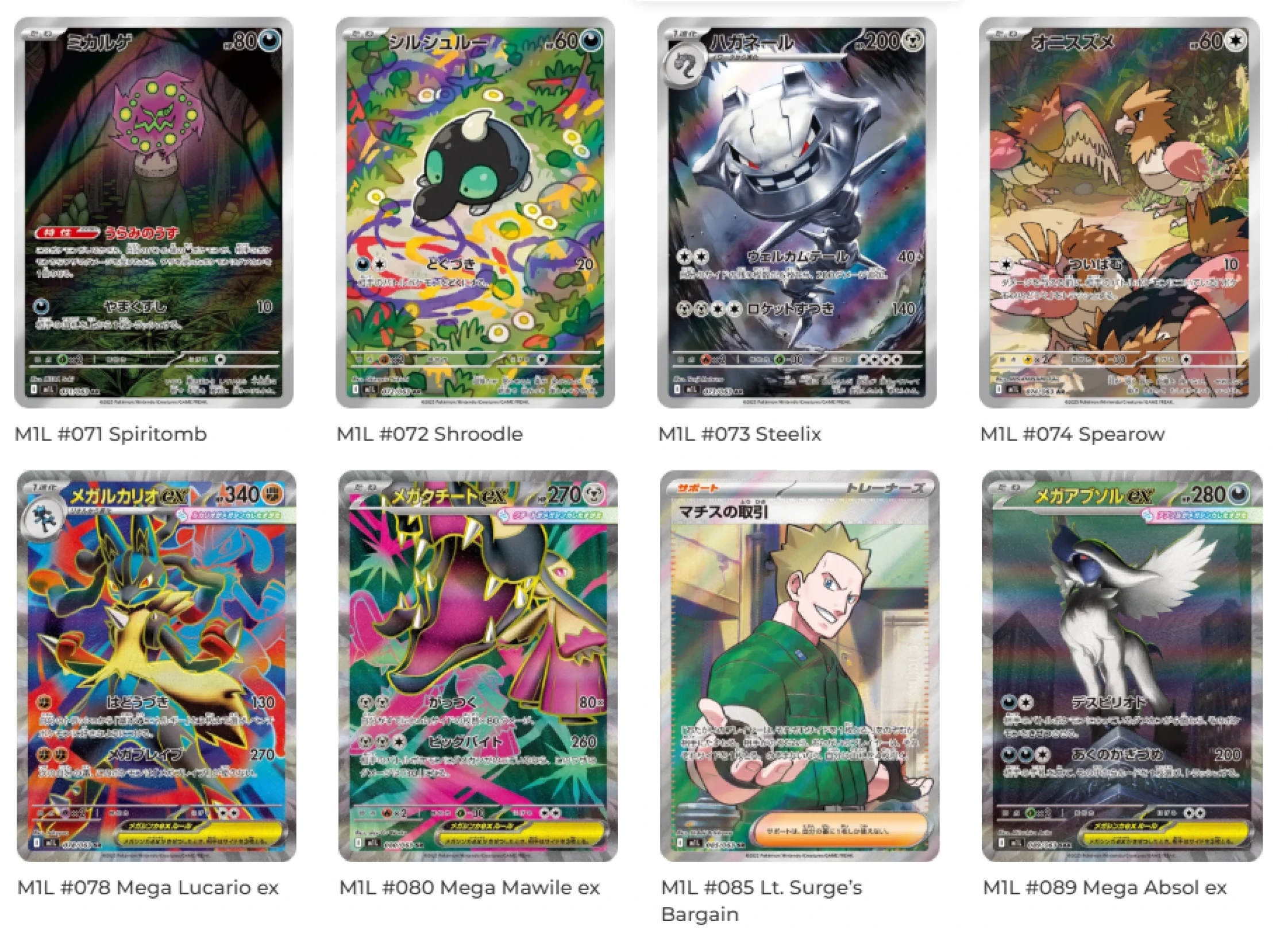
Japan often receives promotional cards, special products, and selected artwork releases before the English market. Art Rares, Special Art Rares, and other chase cards may appear in Japanese sets months before they are adapted into English releases. High-Class sets such as VSTAR Universe are also structured differently from standard booster boxes, typically offering fewer packs per box but stronger pull expectations across the box.
Set Release Timing (Japan vs English Delay)
Japanese sets release 2-3 months ahead of English versions. This timing gap allows Singapore collectors early access to new cards and mechanics before global availability.
Value & Collectability for Singapore Collectors
Why Japanese Cards Often Command Higher Prices
Price dynamics between Japanese Pokémon cards and English versions vary by market, card type, and availability. Japanese cards are often cheaper within Japan, but overseas prices can rise because of shipping costs, import fees, reseller markups, and regional demand. Selected Japanese promos and exclusive releases can exceed their English counterparts in value, especially when they remain Japan-only or have limited distribution. For Singapore collectors importing directly, total costs may be higher, although certain Japanese exclusives may justify the premium.
English cards often command stronger prices in Western markets due to broader international recognition, language familiarity, tournament use, and higher liquidity. However, some Japanese exclusive releases may hold value well when supply remains limited. Price stability still depends on factors such as reprint risk, demand, card popularity, grading population, and wider market conditions.
Graded Cards (PSA/CGC) Japanese vs English
Japanese Pokémon cards are often seen as stronger grading candidates due to more consistent centring, cutting, and print quality. However, PSA 10 rates vary by card, set, condition, and submission population, so fixed percentages should be avoided. English PSA 10s can command premiums when gem-mint copies are harder to obtain. For vintage cards, English versions often sell higher, though the price gap varies widely.
Pokémon Centre Exclusives & Regional Promos
Pokemon Centre distributions produce some of the market’s most valuable cards. Rayquaza 232 from XY Promos reaches $ 226.25. Shibuya’s Pikachu, a location-exclusive promo, trades at $ 60.20. These region-specific releases carry natural scarcity advantages.
How to Buy & Collect Smart in Singapore
Local Shop vs Importing Direct
Singapore collectors can buy from official Pokémon retail channels, local card shops, or trusted online stores like Sakura Play. Sakura Play offers authentic Pokémon TCG and One Piece TCG products, including booster boxes, booster packs, special boxes, graded slabs, and pre-orders. Local shops may price above retail depending on supply and demand, while online platforms like Shopee, Amazon SG, and Carousell require careful seller checks through ratings, reviews, and payment protection.
Understanding Shrink vs No Shrink
Japanese retailers commonly remove shrink wrap from booster boxes before sale. No-shrink boxes may be cheaper, but they carry higher tampering risks if bought from unknown sellers. Collectors should buy only from reputable sources that clearly state whether boxes are with shrink or without shrink, and avoid listings that lack product details, proof of source, or seller accountability.
Pre-Orders & What to Look Out For
Pre-ordering can help secure popular products early, but buyers should avoid risky deposits or direct transfers to unknown sellers. SPF reported 477 Pokémon card e-commerce scam cases since October 2025, with losses of at least S$958,000. Use trusted shops, secure payment methods, and buyer protection. Prices far below market value should be treated as a warning sign.
Conclusion
Both Japanese and English Pokémon cards offer different advantages for Singapore collectors. Japanese cards are often valued for their print quality, exclusive releases, earlier set access, and grading potential, while English cards offer better tournament usability, wider recognition, and stronger resale familiarity in many markets.
Ultimately, the better choice depends on your collecting goals. Budget-conscious collectors may prefer buying from trusted local shops and verified online platforms, while dedicated collectors may choose Japanese exclusives for their artwork, rarity, and early availability. Smart collecting comes down to balancing aesthetics, authenticity, availability, pricing, and long-term value.
FAQs
Often, yes. Japanese cards are commonly praised for sharper printing, cleaner texture, and better centering, but PSA 10 rates vary by card and set.
Some Japanese retailers remove shrink wrap before sale. No-shrink boxes may be cheaper, but buyers should only purchase from trusted sellers due to tampering risk.
Not always. Some Japanese promos and exclusives hold strong value, but prices depend on demand, rarity, reprints, and market sentiment.
Buy from trusted local shops, official retail channels, or verified online platforms. Note that Pokémon Center Singapore at Jewel is scheduled to reopen in Q3 2026.
Avoid unknown sellers asking for direct deposits. Use trusted shops, secure payment methods, and buyer protection.