
Posts by Aloysius Aloysius
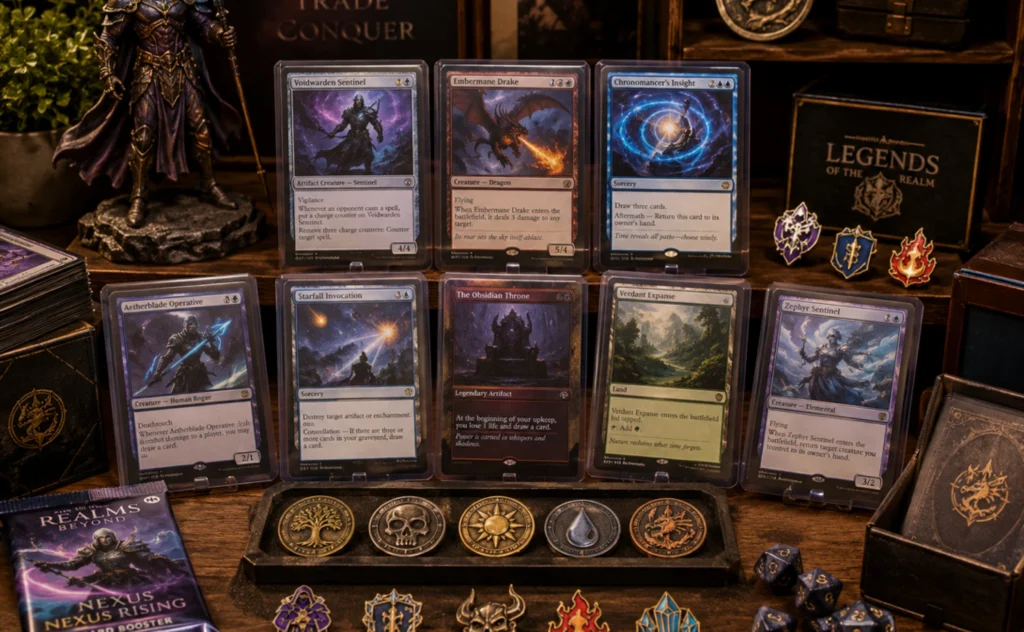
Short Term Hype vs Long Term Collecting: How Experienced Collectors Decide

Table of Contents
Key Takeaways
- Hype and real value can look identical in the moment (only time and distance reveal which is which)
- Scarcity messaging and social proof trigger urgency, not actual worth
- Fleeting trends show fast demand spikes, sharp price drops, and flipping-focused chatter
- Lasting value comes from genuine rarity, condition, provenance, and multi-generational demand
- A cooling-off period before buying is the simplest defence against regret
Every collector has faced the same question at some point. Is this something worth owning long term, or is it simply the collectible everyone’s excited about right now?
The answer isn’t always obvious. Hype can push prices higher, create a sense of urgency, and make an item feel more important than it really is. Understanding what separates short-term excitement from lasting value can help you make more confident collecting decisions.
Short Term Hype vs. Long Term Collecting
What Is Short Term Hype, and What Does Long Term Collecting Look Like Instead?
Short term hype is demand that spikes fast, driven by emotion, scarcity messaging, or social pressure rather than lasting cultural or craft significance. You can spot it by the rhythm:
- A sudden surge of attention
- A rush to buy before “it’s gone,”
- Price that climbs quickly because everyone wants in at once
The item itself might be perfectly nice, and the demand around it just has nothing to do with anything durable. Hype runs on the feeling that you need to act now, not on a clear-headed read of whether the piece will matter in five years.
Long term collecting moves at a different pace, built on criteria you’ve set for yourself
- Condition
- Provenance
- Genuine rarity
- A track record of demand that holds steady across years, not weeks
This is where smart collecting strategies look different from impulse buying. You research before you buy and ask whether you’d still want a piece if nobody else did. These decisions feel slower and less exciting, and that’s by design.
Why Is It Easy to Miss the Line Between the Two?
Hype and genuine value can look identical while they’re happening. A piece with real long term potential often launches with the same buzz and scarcity as something about to lose half its value within a year. You have to ask better questions and watch for patterns that only become obvious with distance. That’s why even seasoned collectors get caught off guard sometimes, but it’s not a sign you’re doing something wrong. It’s a sign the line really is that blurry.
Why Do Collectors Fall for Short Term Hype?
Urgency and Scarcity Feel Like Opportunity
When something is framed as limited, like “only 200 made” or “selling out fast,” it’s easy to assume it’s more valuable simply because it’s harder to get. But scarcity alone doesn’t make something worth collecting. Plenty of limited-edition items lose value once the initial excitement fades.
That’s what makes scarcity such an effective sales tool. It creates a sense of urgency and makes waiting feel risky, even when there isn’t enough information to justify a purchase. Learning to separate “hard to get” from “worth owning” is the first step in learning how to avoid hype-driven purchases.
When Everyone Wants It, It’s Hard to Say No
Collecting communities are part of what makes the hobby enjoyable, but they can also make it harder to think objectively. When everyone is talking about the same item, it’s easy to mistake excitement for value. There’s also a thrill in securing something rare or hard to find, but it’s worth asking yourself what you’re really chasing: the item itself or the satisfaction of getting it before someone else does.
Experienced collectors learn to recognize the difference between passion and FOMO (fear of missing out). Passion is guided by knowledge, patience, and personal goals. FOMO is driven by the fear that you’ll miss your chance. If an item feels urgent simply because everyone else wants it, that may be a sign to slow down before buying.
How to Spot Fleeting Trends in Collecting?
While no one can predict the future, short-lived collecting trends often share a few warning signs:
- Demand rises suddenly with little track record behind it
- Prices increase faster than collectors can reasonably evaluate the item
- Most discussions focus on resale value rather than the collectible itself
- Interest is driven by a single event, celebrity, or pop culture moment
Limited-run releases are a common example. A special box set or promotional release can attract intense demand because of its scarcity and the excitement surrounding its launch. In some cases, prices climb long before the collectible has established any lasting appeal.
The same thing can happen when a viral video, influencer, or news story suddenly puts a collectible in the spotlight. Attention can drive prices up quickly, but that doesn’t necessarily mean demand will last. Once the spotlight moves elsewhere, interest often fades as well.
Examples
Beanie Babies offers the clearest example. Originally sold for about $5, some “retired” versions reached hundreds or even thousands of dollars during the 1990s craze. By the early 2000s, most were worth only a fraction of their peak value. The lesson is simple: popularity today doesn’t guarantee lasting demand tomorrow.
Collectibles are not the only market where hype cycles appear. Similar patterns can be seen in sneaker resale, where limited drops, influencer attention, and scarcity can push prices up quickly before demand cools. Pandemic-era demand drove prices to record highs, but many sought-after releases lost value as the market corrected.
The same dynamic plays out in trading card collecting. A newly released chase card may spike in price during launch week, especially when supply is still limited. Once more boxes are opened and additional copies enter the market, prices often settle. This doesn’t mean the card has no long term value, but it shows why experienced collectors avoid judging value based only on early hype.
What Makes a Collectible Hold Its Value Over Time?
Most collectibles that hold value over time share a few key characteristics:
- Genuine rarity, not artificial scarcity
- Strong condition and reliable authentication
- Provenance or documented history
- Consistent demand that extends beyond a single trend or generation
The last point is often the most important. While hype can create short term demand, lasting value comes from continued collector interest over many years.
Many categories have earned that staying power over decades, including fine art, vintage watches, first-edition books, classic vinyl records, and certain coins and stamps. The same principle applies to trading card games. Within One Piece TCG, some early or foundational sets continue to attract collectors long after newer, trend-driven releases have faded from the spotlight. Studying which niches fall into this group is one of the more practical long term collectibles investment tips.
Ultimately, popularity and staying power are not the same thing. Popularity reflects what people want right now, while lasting value comes from continued interest even as trends shift. This is why some of the strongest long term performers are often overlooked at first, while heavily hyped releases tend to lose momentum once the excitement fades.
How to Buy Smarter
1. Set Your Collecting Criteria Before You Buy
One of the best ways to avoid impulse purchases is to decide in advance what matters most to you as a collector. That might include rarity, condition, authenticity, historical significance, or personal meaning. Having clear criteria gives you a framework for evaluating opportunities instead of relying on the excitement of the moment.
2. Do Your Research
Before making a purchase, take time to learn about the item and its place within the broader category. Look at its history, production numbers, collector interest, and any factors that could affect future demand. The more informed you are, the easier it becomes to distinguish genuine value from temporary hype.
3. Review Price History, Not Just Current Prices
A sudden surge in value doesn’t necessarily indicate long term demand. Check auction results, completed sales, and historical pricing trends to see how an item has performed over time. This applies just as much to One Piece TCG single cards as it does to fine art or vintage watches. Looking at years of market activity often provides a clearer picture than focusing on a recent sellout or price spike.
4. Think Beyond the Current Trend
Understanding the difference between short term vs long term investment collectibles can help you make more confident buying decisions. While some items experience a surge in demand because of hype, others build value gradually through rarity, historical significance, condition, or sustained collector interest.
Before buying, consider whether the collectible is likely to remain desirable once the current excitement fades. Thinking in terms of years rather than weeks can help you focus on long term value instead of short term momentum.
How Do You Avoid Hype-Driven Purchases You’ll Regret?
Practice Emotional Control
Collecting is emotional by nature, which is part of what makes it enjoyable. But strong emotions can also lead to rushed decisions. Before buying, ask yourself a few simple questions:
- Would you still want this item if the hype disappeared tomorrow?
- Does it fit the collecting goals you’ve already set?
- Are you buying it because you genuinely like it or because everyone else seems to want it?
Taking a moment to reflect can help separate excitement from good judgment.
Use a Cooling-Off Period
One of the simplest ways to avoid impulse purchases is to wait before buying. Whether it’s a day, a week, or longer, creating some distance between the urge to buy and the purchase itself can provide valuable perspective. If the item still feels like a good fit after the initial excitement fades, you’re more likely to be making a thoughtful decision rather than reacting to hype.
Watch Out for FOMO
FOMO, or fear of missing out, is one of the biggest drivers of hype-driven buying. It creates the feeling that you have to act immediately or risk losing a rare opportunity. Sometimes that urgency is justified, but often it isn’t. Experienced collectors focus on whether an item belongs in their collection, not whether everyone else is rushing to buy it.
Recognize Common Seller Tactics
Many sellers understand how powerful urgency can be and use it to encourage quick purchases. Countdown timers, “only a few left” messages, and sudden price increases can make an item feel more valuable than it really is. Some collectibles are genuinely scarce, but others only appear scarce because of marketing. Before buying, look for evidence of real rarity rather than relying on promotional language alone.
Avoiding regret ultimately comes down to patience, research, and self-awareness. By managing emotions, resisting FOMO, and looking beyond sales tactics, you can make collecting decisions with greater confidence and fewer regrets.
The Bottom Line
You don’t have to choose between being a passionate collector and a thoughtful one. The collectors who build the most meaningful, lasting collections aren’t the ones who never feel the pull of hype. They’re the ones who’ve learned to notice it, pause long enough to think clearly, and decide for themselves what’s worth keeping.
Trust the criteria you’ve set, give your excitement room to settle, and let your collection grow into something that still feels right years from now.
FAQs
The ones that last usually have a mix of rarity, trusted grading or authentication, and a history that’s well documented. Just as important is steady demand across different generations of collectors. That’s why categories like fine art, vintage watches, first-edition books, and certain coins or vinyl records tend to hold up over time.
Yes, it absolutely is. Not everything has to be an investment. The key is being clear with yourself about the reason you’re buying. A piece bought for enjoyment is different from one you expect to appreciate, and problems usually start when the two get confused.
It can, but it’s not common. A few collectibles that started with a lot of hype do end up becoming important over time, but most don’t. The tricky part is that you can’t really tell which ones will last while the hype is happening, which is why steady judgment matters more than excitement in the moment.
Before doing anything, ask yourself whether you still enjoy owning the item. If you do, the purchase may not have been a mistake. It just wasn’t the investment you hoped it would be. If your main goal is to recover some of your money, look at recent sold prices rather than active listings to understand what buyers are actually paying.
Try not to rush into selling out of frustration, especially if prices have recently dropped. More importantly, think about what drove the purchase in the first place, like fear of missing out, limited availability, social media hype, or community buzz. Recognizing those triggers can help you make more confident decisions in the future.
The best information comes from completed sales, not asking prices. Auction records, sold-listing data, and reputable collectibles marketplaces can give you a much clearer picture of what an item is actually worth. For trading cards, it also helps to check grading population reports alongside recent sales to understand both supply and demand. Avoid relying on a single sale or a short period of data, as unusual market spikes can distort the real value.
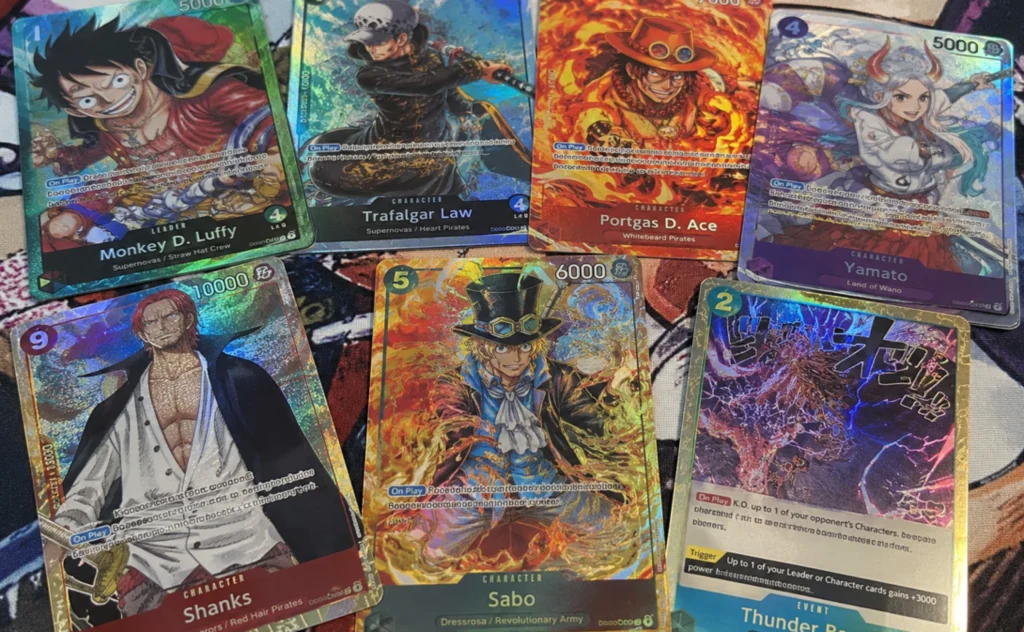
One Piece TCG Singles vs. Sealed Products: What Fits Your Collecting Style?
Table of Contents
Key Takeaways
- Singles give you certainty; sealed products give you experience. The right choice depends on whether you value getting exactly what you want or enjoying the thrill of discovery.
- Competitive players and completionists lean toward singles for efficiency, precise deck-building, and trackable collection goals.
- Casual fans and long-term collectors gravitate toward sealed products for the opening experience, unexpected pulls, and long-term appreciation of unopened boxes.
- Most collectors use both formats. A common strategy is buying sealed for the experience and filling gaps with targeted singles.
- Your collecting style is allowed to evolve.
Whether you just pulled your first pack or you’ve been building binders for years, one question keeps coming up among those collecting One Piece cards: should you buy singles or sealed products? There’s no wrong answer, but there is a smarter one, and it depends entirely on who you are as a collector.
This guide breaks down both options honestly so you can spend less time second-guessing and more time enjoying the hobby you love.
Understanding Singles and Sealed Products in One Piece TCG
Before you can decide which route fits you best, it helps to understand exactly what you’re choosing between.
What Are One Piece TCG Singles?
One Piece TCG singles are individual cards sold on their own, separate from any pack or box. When you buy a single, you’re paying for one specific card, whether that’s a Leader card you need to finish your deck, a Secret Rare you’ve been hunting, or an alternate art version of your favourite character.
Singles are typically sold by other players, collectors, or specialty retailers. Their prices fluctuate based on demand, rarity, and the current competitive meta.
What Counts as Sealed Products?
Sealed products are any One Piece TCG items that remain in their original, factory-sealed packaging. This include booster packs, One Piece sealed booster boxes, starter decks, premium collections, and special set releases that remain unopened in their original factory packaging.
The key characteristic is that the contents are unknown until opened, so you’re buying the experience alongside the cards themselves. Some collectors also hold sealed products without ever opening them, treating the packaging as part of the value.
The Main Difference Between the Two
At its core, the difference comes down to certainty versus discovery. Buying One Piece TCG singles gives you exactly what you want, at a known price, with no surprises. Purchasing sealed products gives you a curated randomized experience that can be thrilling, frustrating, and deeply satisfying, sometimes all at once.
Both approaches offer real value, but they just deliver it in very different ways.
One Piece TCG Singles vs. Sealed Products Comparison Table
| Feature | Singles | Sealed Products |
| Card certainty | You know exactly what you’re getting | Contents are randomized |
| Cost efficiency | Higher for specific cards | Can be less efficient per target card |
| Collection speed | Fast — buy what you need | Slower — depends on pack luck |
| Opening experience | None | High excitement factor |
| Investment potential | Card-by-card value tracking | Sealed appreciation over time |
| Best for | Competitive players, completionists | Casual fans, long-term collectors |
| Resale flexibility | Individual cards easier to resell | Sealed boxes hold value longer unopened |
| Storage considerations | Cards require sleeves, binders | Boxes require space but stay intact |
Why Some Collectors Prefer Buying Singles
For many collectors, One Piece TCG singles are simply the most logical path forward.
Here’s why:
Easier Access to Specific Cards
If your goal is to own a particular card, say, a full-art Monkey D. Luffy or a foil version of a character from your favourite arc. Buying that card outright cuts through all the uncertainty. You don’t have to open 20 packs hoping to hit it. You search the market, find a fair price, and it’s yours.
For collectors who value efficiency and intentionality, that directness is genuinely satisfying.
Better for Competitive Deck Building
If you play the game competitively or follow the tournament scene, singles are almost always the smarter investment. The cards you need for a strong deck are usually well-documented through community resources and tournament results. Buying those cards individually lets you build precisely what you need without wasting money on cards that won’t see play.
When the meta shifts and a card you own loses relevance, you can sell it and use the funds toward your next build. This is something that’s much harder to do with a collection of opened packs.
More Precise Collecting Goals
Some collectors have very specific visions for their collection. They complete a playset of every card from a particular set, owning every version of one character, or curating a showcase binder around a theme. Buying One Piece TCG singles makes those goals achievable and trackable.
You always know exactly what you have, what you still need, and roughly what it will cost to get there.
Why Many Collectors Enjoy Sealed Products
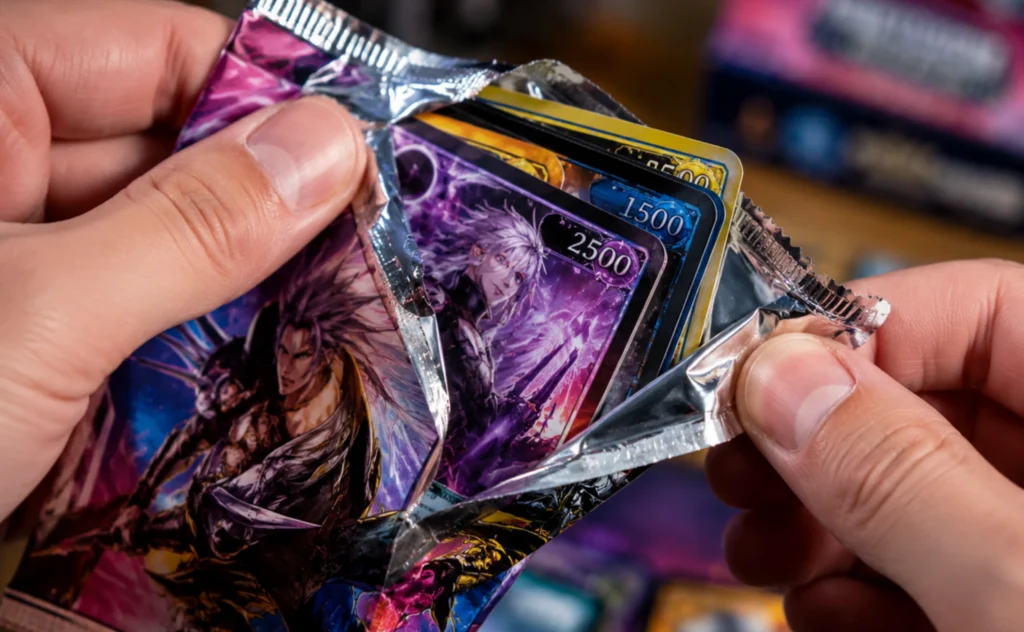
One Piece TCG sealed products have a loyal following for good reason. The appeal goes deeper than just the cards inside.
The Excitement of Opening Packs
There’s something undeniably electric about tearing open a booster pack. That moment of anticipation, flipping through each card, not knowing what’s next, is an experience that no secondary market purchase can replicate. Many collectors return to sealed products specifically because of that feeling. It connects to a kind of playfulness that’s easy to lose sight of once collecting becomes more systematic.
If the joy of the reveal matters to you, sealed products deliver it every single time.
Enjoying the Discovery Process
Opening a sealed One Piece booster box often means encountering cards you didn’t know you wanted until you had them in your hands. That unexpected pull: a character you’d overlooked, an alternate art you hadn’t noticed, can send your collecting in a new direction entirely. Some collectors credit sealed product openings with expanding their interest in the franchise beyond their initial favourites.
The Appeal of Sealed Collecting
A growing segment of the One Piece TCG community collects sealed products without opening them at all. Like other sealed trading cards, a factory-sealed booster box or special set carries its own kind of collectible appeal:
- Pristine packaging
- Documented print runs
- The preserved potential of whatever’s inside
If you’re drawn to the idea of holding something in its original, untouched state, and you’re comfortable storing it properly, sealed collecting is a legitimate and rewarding hobby within the hobby.
How Your Collecting Personality Shapes Your Preference
Your approach to One Piece TCG collecting tends to reflect a broader set of values and goals. Here are four collector types and how each one typically leans.
The Completionist
If you feel a genuine pull toward owning every card in a set, every rarity, every variant, every language, you probably already know how much singles matter to your process. Completionists tend to pre-order upcoming One Piece sets early in a set’s lifecycle to build a solid foundation, then fill gaps with targeted singles.
The Casual Fan
Maybe you love One Piece as a franchise first and the card game second. You buy packs and special box releases when a new set drops because it’s a fun way to connect with a release, not because you’re working toward a specific collection goal. If this sounds like you, sealed products are probably your natural home. The pressure is lower, the fun is immediate, and there’s no requirement to optimize anything. Buy what makes you happy, open it when you feel like it, and enjoy the ride.
The Competitive Player
Your collection serves your game, and your game demands efficiency. Buying One Piece TCG singles is almost certainly the backbone of your approach. You know your deck list, you know the market, and you buy what the build requires.
That said, many competitive players still enjoy cracking packs when a new set releases, partly for fun and partly to scout the card pool firsthand. If this is you, your singles budget probably dwarfs your sealed budget, and that’s completely reasonable.
The Long-Term Collector
You think in years, not weeks, and you’ve probably already looked into One Piece TCG investing as part of your broader strategy. You’re watching how One Piece TCG card values have moved since the game’s launch, you understand that One Piece booster boxes from early or limited print runs can appreciate meaningfully over time, especially when kept sealed.
Long-term collectors often diversify: some sealed product held unopened, some high-value singles sleeved and stored carefully. The strategy is less about what you open today and more about what you hold tomorrow.
How to Create a Collecting Strategy That Works for You
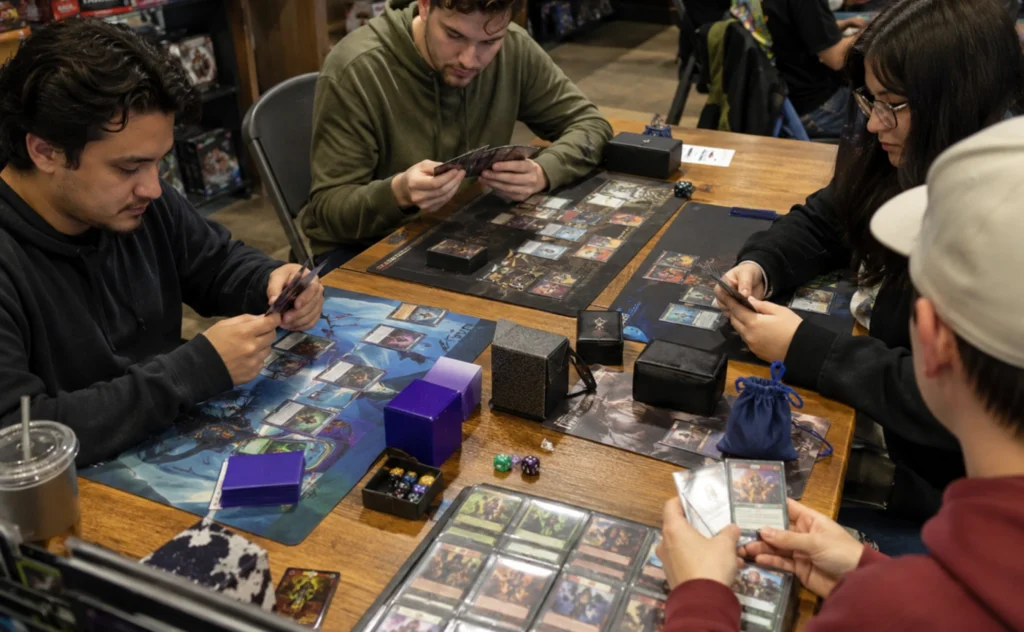
Once you understand your instincts, the next step is turning them into a plan you can actually stick to.
Combine Singles and Sealed Products
The most sustainable collecting strategies aren’t either-or, as they’re both. You might commit to buying one sealed booster box per set for the opening experience, then use singles to fill in whatever you’re still missing. Or you might buy singles as your primary method but allow yourself a few packs from sets tied to your favourite story arcs.
Giving yourself permission to enjoy both formats removes the pressure to justify every purchase and keeps the hobby feeling like what it’s supposed to be: fun.
Set Realistic Collecting Goals
One of the fastest ways to drain the joy out of collecting is to chase goals that aren’t aligned with your actual budget or lifestyle. Be honest with yourself about what you can spend monthly, what you actually have space to store, and how much time you want to dedicate to tracking your collection.
Goals that feel manageable, such as finishing the alt-art set from one specific series and completing a playset of your main character, tend to sustain long-term engagement far better than sweeping ambitions that can feel impossible to reach.
Let Your Collecting Style Evolve Over Time
Your relationship with One Piece TCG collecting is allowed to change. Many collectors start with sealed packs for the excitement, shift toward singles as they get more intentional, and then circle back to sealed collecting later as their interest in preservation grows. Following where your enthusiasm leads, rather than locking yourself into one identity, tends to produce collections that genuinely reflect who you are at each stage of the hobby.
There’s no finish line, and there’s no wrong way to love this game.
Collect the Way That Feels Right to You
There’s no universal answer to the singles versus sealed debate in One Piece TCG, because the right answer depends on something no market guide can tell you: what makes collecting feel worth your time. If precision and purpose drive you, singles will serve you well. If discovery and the thrill of the reveal matter more, sealed products have something irreplaceable to offer. And if you’re somewhere in between, like most collectors are, there’s a strategy that holds space for both.
Start from what genuinely excites you, build a plan that’s realistic for your life, and give yourself room to evolve. The One Piece TCG community is full of collectors who’ve found their own version of the hobby, and yours is waiting for you too.
FAQs
Yes, and it’s more common than you might think. Many start with sealed products for the excitement, then shift toward singles as they get more intentional or competitive. Some later return to sealed collecting for preservation or nostalgia. Switching isn’t a misstep, but it’s just your relationship with the hobby growing.
Several factors drive desirability. Rarity is the most obvious. Secret Rares and Special Rares are harder to pull and more valuable on the singles market. Character popularity commands premiums regardless of rarity, while alternate and full-art treatments appeal to aesthetics-focused collectors. Cards with strong competitive use also spike in value around major tournaments.
Both, but in different ways. Players building decks typically rely on singles for efficiency. Sealed products serve casual fans who enjoy the opening experience, collectors who value discovery, and long-term holders preserving sealed packaging. Starter decks also give newer players a functional entry point without navigating the singles market right away.
Set a firm monthly budget before you start shopping and stick to it. Prioritize purchases that match your actual goals, and resist buying sealed products just because a new set dropped. Tracking your collection in a spreadsheet or app prevents duplicates and keeps your wants list realistic. Waiting a few weeks post-release before buying singles also helps, since prices tend to settle after initial demand cools.
Completely normal. Preferences shift as your knowledge deepens, your budget changes, and your life circumstances evolve. A sealed-box buyer might go selective after a move; a singles-only player might start holding sealed once they think longer-term. Collectors who stay engaged longest are the ones who let their approach adapt rather than stay rigidly fixed.
Japanese Pokemon Cards vs English: What Singapore Collectors Need to Know in 2026
Table of Contents
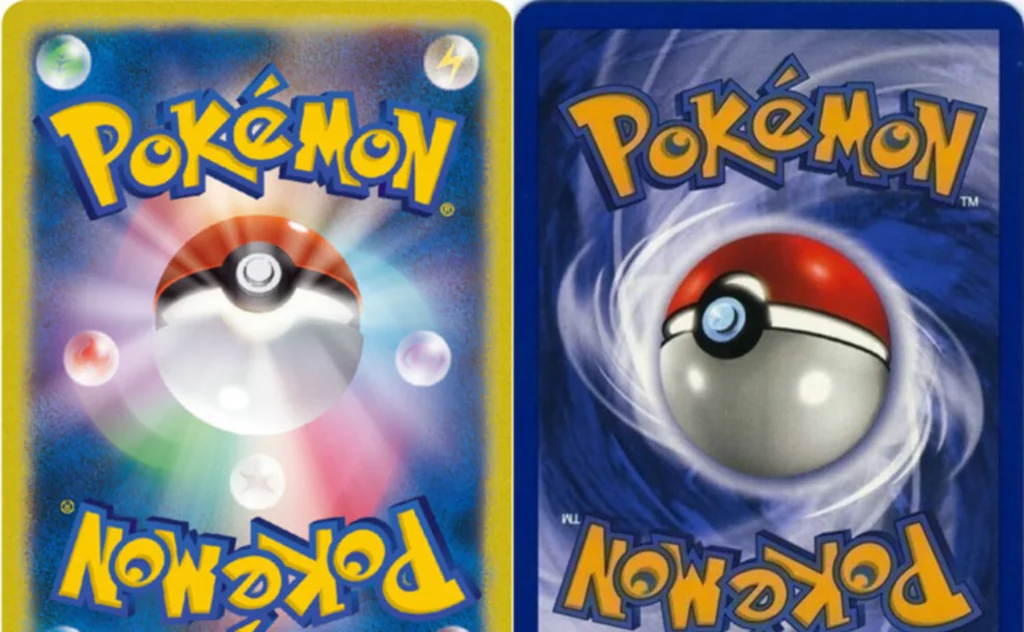
Japanese Pokémon cards are often regarded by collectors as a benchmark for print quality, thanks to their crisp details, cleaner finishing, strong texture, and distinctive holofoil effects. However, choosing between Japanese and English Pokémon cards is not only about appearance. For Singapore collectors in 2026, the Japanese vs English Pokémon cards debate also involves pack structure, pull expectations, exclusive releases, grading potential, availability, and long-term market demand.
This guide examines the key differences between both versions, including print quality, rarity structure, pricing behaviour, and collecting value. It also looks at how regional availability and collector preferences in Singapore can influence buying decisions, helping collectors make more informed choices based on their goals, whether they are collecting for display, grading, investment, or personal enjoyment.
English Pokémon Cards vs Japanese Pokémon Cards Key Differences
Card Size, Pack Structure & Print Quality
The key differences between English Pokémon Cards vs Japanese Pokémon cards begin with pack composition and release structure. Standard Japanese booster boxes commonly contain 30 packs, with many packs holding 5 cards, while English booster boxes usually contain 36 packs. In the Scarlet & Violet era, English booster packs contain 10 main cards, plus an Energy card and a code card. This creates different value expectations for Singapore collectors, especially when comparing sealed boxes, pull rates, and chase-card availability.
Japanese booster boxes are also known for more predictable hit structures. Many modern Japanese boxes include guaranteed pulls, often at least one SR or higher card depending on the set. English booster boxes, on the other hand, remain random and do not guarantee a fixed number of hits, even in the Scarlet & Violet era.
Print quality is another major reason collectors compare Japanese and English Pokémon cards. Japanese Pokémon cards are often praised for sharper printing, cleaner texture, stronger colour depth, and more consistent centering. For Singapore collectors considering grading submissions, Japanese cards are often seen as strong grading candidates because of their manufacturing consistency, although PSA 10 rates still vary depending on the card, set, condition, and handling.
Exclusive Cards & Alternate Arts
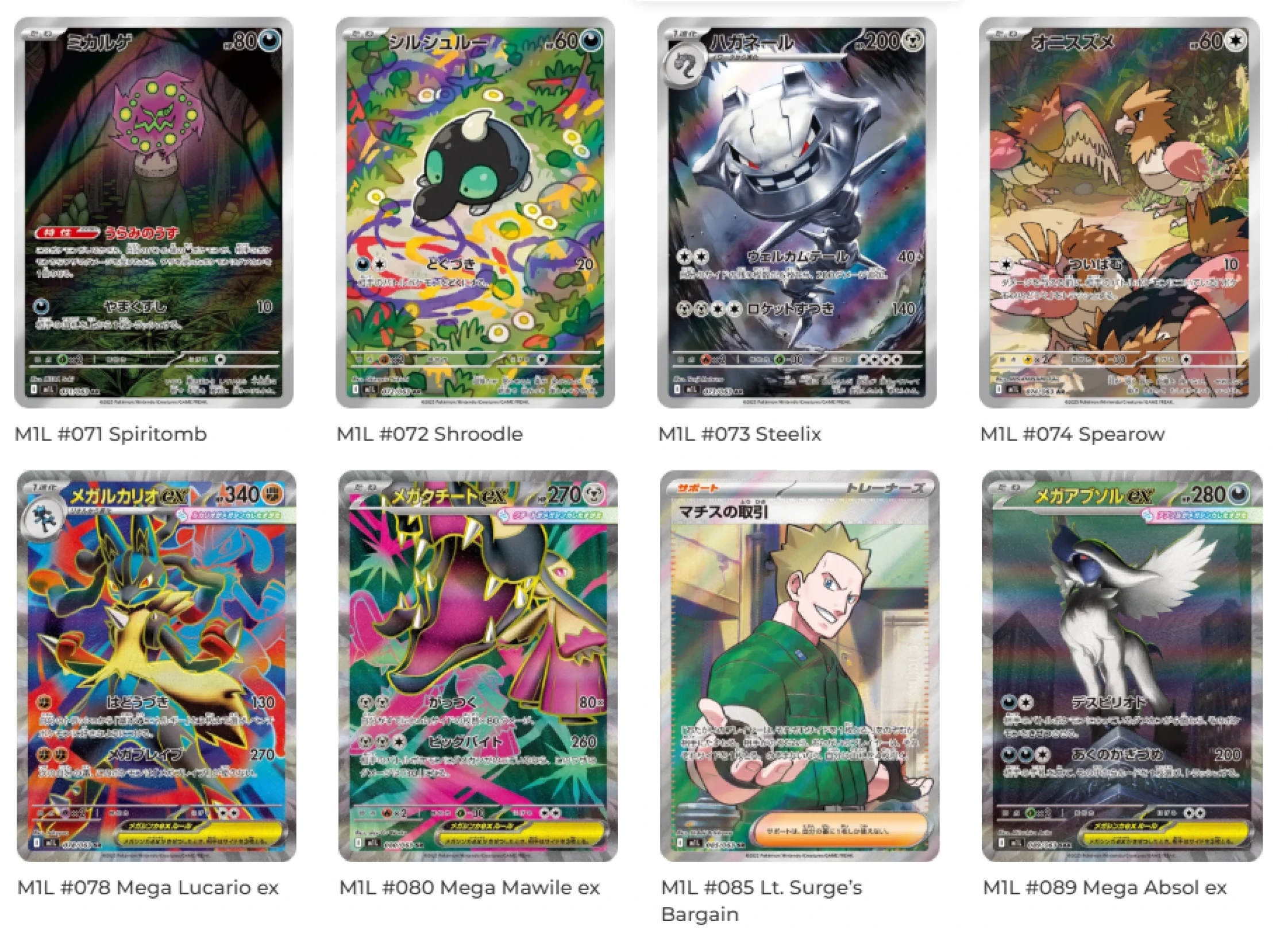
Japan often receives promotional cards, special products, and selected artwork releases before the English market. Art Rares, Special Art Rares, and other chase cards may appear in Japanese sets months before they are adapted into English releases. High-Class sets such as VSTAR Universe are also structured differently from standard booster boxes, typically offering fewer packs per box but stronger pull expectations across the box.
Set Release Timing (Japan vs English Delay)
Japanese sets release 2-3 months ahead of English versions. This timing gap allows Singapore collectors early access to new cards and mechanics before global availability.
Value & Collectability for Singapore Collectors
Why Japanese Cards Often Command Higher Prices
Price dynamics between Japanese Pokémon cards and English versions vary by market, card type, and availability. Japanese cards are often cheaper within Japan, but overseas prices can rise because of shipping costs, import fees, reseller markups, and regional demand. Selected Japanese promos and exclusive releases can exceed their English counterparts in value, especially when they remain Japan-only or have limited distribution. For Singapore collectors importing directly, total costs may be higher, although certain Japanese exclusives may justify the premium.
English cards often command stronger prices in Western markets due to broader international recognition, language familiarity, tournament use, and higher liquidity. However, some Japanese exclusive releases may hold value well when supply remains limited. Price stability still depends on factors such as reprint risk, demand, card popularity, grading population, and wider market conditions.
Graded Cards (PSA/CGC) Japanese vs English
Japanese Pokémon cards are often seen as stronger grading candidates due to more consistent centring, cutting, and print quality. However, PSA 10 rates vary by card, set, condition, and submission population, so fixed percentages should be avoided. English PSA 10s can command premiums when gem-mint copies are harder to obtain. For vintage cards, English versions often sell higher, though the price gap varies widely.
Pokémon Centre Exclusives & Regional Promos
Pokemon Centre distributions produce some of the market’s most valuable cards. Rayquaza 232 from XY Promos reaches $ 226.25. Shibuya’s Pikachu, a location-exclusive promo, trades at $ 60.20. These region-specific releases carry natural scarcity advantages.
How to Buy & Collect Smart in Singapore
Local Shop vs Importing Direct
Singapore collectors can buy from official Pokémon retail channels, local card shops, or trusted online stores like Sakura Play. Sakura Play offers authentic Pokémon TCG and One Piece TCG products, including booster boxes, booster packs, special boxes, graded slabs, and pre-orders. Local shops may price above retail depending on supply and demand, while online platforms like Shopee, Amazon SG, and Carousell require careful seller checks through ratings, reviews, and payment protection.
Understanding Shrink vs No Shrink
Japanese retailers commonly remove shrink wrap from booster boxes before sale. No-shrink boxes may be cheaper, but they carry higher tampering risks if bought from unknown sellers. Collectors should buy only from reputable sources that clearly state whether boxes are with shrink or without shrink, and avoid listings that lack product details, proof of source, or seller accountability.
Pre-Orders & What to Look Out For
Pre-ordering can help secure popular products early, but buyers should avoid risky deposits or direct transfers to unknown sellers. SPF reported 477 Pokémon card e-commerce scam cases since October 2025, with losses of at least S$958,000. Use trusted shops, secure payment methods, and buyer protection. Prices far below market value should be treated as a warning sign.
Conclusion
Both Japanese and English Pokémon cards offer different advantages for Singapore collectors. Japanese cards are often valued for their print quality, exclusive releases, earlier set access, and grading potential, while English cards offer better tournament usability, wider recognition, and stronger resale familiarity in many markets.
Ultimately, the better choice depends on your collecting goals. Budget-conscious collectors may prefer buying from trusted local shops and verified online platforms, while dedicated collectors may choose Japanese exclusives for their artwork, rarity, and early availability. Smart collecting comes down to balancing aesthetics, authenticity, availability, pricing, and long-term value.
FAQs
Often, yes. Japanese cards are commonly praised for sharper printing, cleaner texture, and better centering, but PSA 10 rates vary by card and set.
Some Japanese retailers remove shrink wrap before sale. No-shrink boxes may be cheaper, but buyers should only purchase from trusted sellers due to tampering risk.
Not always. Some Japanese promos and exclusives hold strong value, but prices depend on demand, rarity, reprints, and market sentiment.
Buy from trusted local shops, official retail channels, or verified online platforms. Note that Pokémon Center Singapore at Jewel is scheduled to reopen in Q3 2026.
Avoid unknown sellers asking for direct deposits. Use trusted shops, secure payment methods, and buyer protection.