Blog
Booster Box vs Single Pack: Which Is the Smarter Buy for Pokemon TCG Collectors?

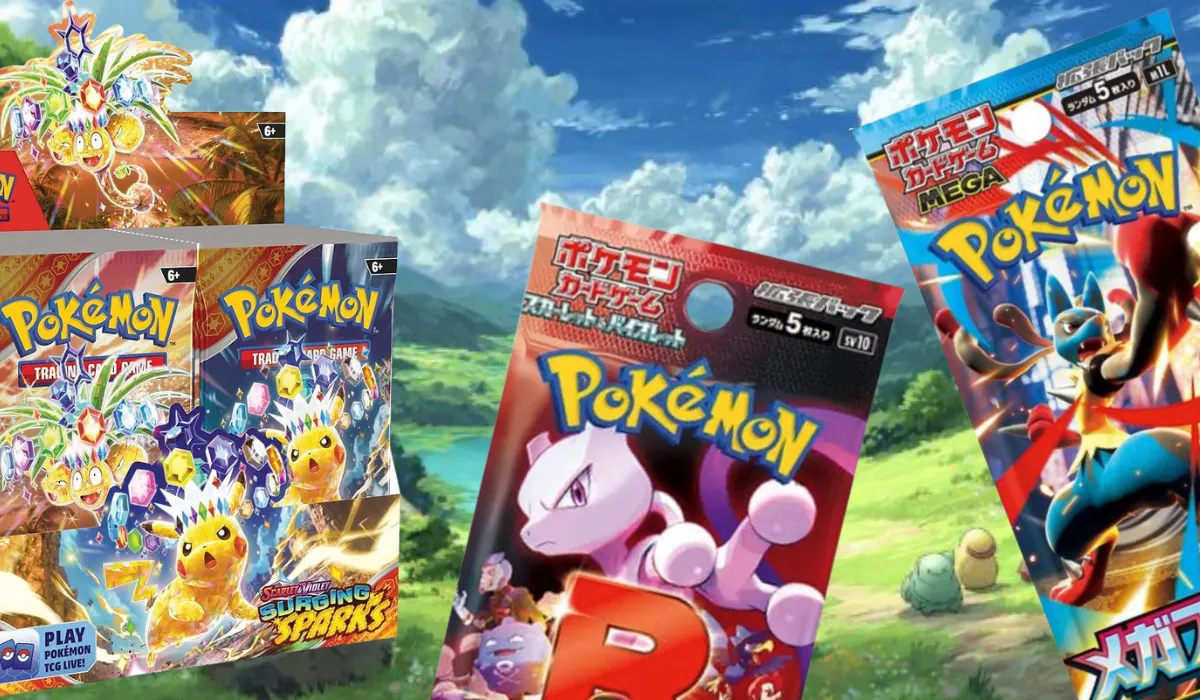
The booster box vs single pack debate is basically the collector’s version of Vegas, but with shinier cardboard. You can drop a few hundred on booster boxes chasing that one card you have been dreaming about, heart racing with every rip… or you can skip the suspense and just buy the card directly for a known price.
And here is the reality check: statistically, only around 1 in 36 packs contains a chase card with real value. Sure, some cards smash past the $1,000 mark, and the most expensive Pokémon card ever sold reportedly hit a wild $5,275,000. That is the kind of headline that fuels the chase and keeps collectors cracking packs “just one more time”.
So is it better to buy booster boxes or single packs? It depends on what you want from the hobby.
This article breaks down booster box vs single packs in a practical, no-regret way, covering pull rates, cost efficiency, and the true trade-off between the adrenaline rush of opening packs versus the calm certainty of buying exactly what you want. By the end, you will have a simple decision framework to help you spend smarter, chase with intention, and actually feel good about what you buy.
Breaking Down the Basics: Booster Boxes vs Single Packs Explained
What You Get in a Booster Box
English booster boxes contain 36 packs from a single expansion. Each pack includes 10 cards: 4 commons, 3 uncommons, and 3 foils, with at least one rare or higher. Booster boxes offer better bulk value, typically priced 10-15% lower per pack compared to buying singles separately.
What You Get in a Single Pack
A single pack is just one sealed booster pack bought on its own. You are still opening 10 cards and hoping the pulls go your way, you are simply not buying the full booster box.
Singles are individual cards bought directly from a shop or marketplace, like purchasing the exact Charizard, Trainer, or Secret Rare you want. No opening, no surprises, just a straight purchase.
That difference is important in the booster box vs singles debate because single packs are still pack-opening, while singles are targeted buying.
Understanding Pull Rates and Probability
Hit rates hover around 20-30% per pack in Scarlet & Violet sets, meaning 1 in 3-5 packs yields something beyond standard rares. Special Illustration Rares appear roughly 1 in 80-90 packs, whilst Hyper Rares surface approximately 1 in 100-150 packs. These probabilities remain consistent whether purchasing booster boxes or single packs.
Why Different Collectors Choose Different Paths
Set completionists favour booster boxes for broader card coverage. Competitive players prioritise singles for deck-building efficiency. Collectors seeking emotional satisfaction choose boxes, whilst those preferring control select singles.
Is It Better to Buy Booster Boxes or Single Packs vs single: The Honest Answer
Choosing between booster box vs single packs vs single requires matching your purchase to your primary objective.
If Your Goal Is Pure Excitement
Booster boxes deliver unmatched thrill through pack-opening rituals. The anticipation of multiple reveals justifies the premium cost for collectors who value experience over efficiency. Singles eliminate this emotional component entirely.
If Your Goal Is Completing a Set
One booster box typically provides 60-80% of a master set, covering most commons, uncommons, and standard rares. However, completing ultra rares demands 2-3 boxes, after which singles become necessary to avoid duplicate pulls.
If Your Goal Is Building a Competitive Deck
Singles reign supreme for deck construction. Buying specific Trainer and Item cards is usually far cheaper than relying on random pulls. Competitive players skip the uncertainty and get tournament-ready cards immediately.
If Your Goal Is Long Term Value or Investing
A sealed booster box can go up in price over time, especially a few years after it stops being printed, because fewer unopened boxes are left. Singles can also rise, but their prices change much faster. A card might spike because it becomes popular in competitive play, then drop again when the meta changes or a reprint happens.
The Math Behind Cost Per Desired Card
On SakuraPlay, Pokémon booster boxes typically range from around S$110 to S$156, depending on the set. Booster packs (single packs) are usually priced around S$12 to S$16 each. And then there are singles, which are individual cards sold separately at their own listed prices.
If you are chasing a specific card, the real question is this: how many packs would you realistically need to open before you hit it? Even at S$12 to S$16 per pack, the cost can add up quickly, and there is no guarantee you will pull the exact card you want.
That is why, when you already know your target card, buying the single directly is often more cost-efficient. You pay the market price upfront instead of spending on multiple packs and hoping the odds land in your favour.
Boxes suit collectors seeking volume, set-building foundations, or sealed investment holdings. Direct purchase eliminates randomness, controls budgets, and guarantees desired cards.
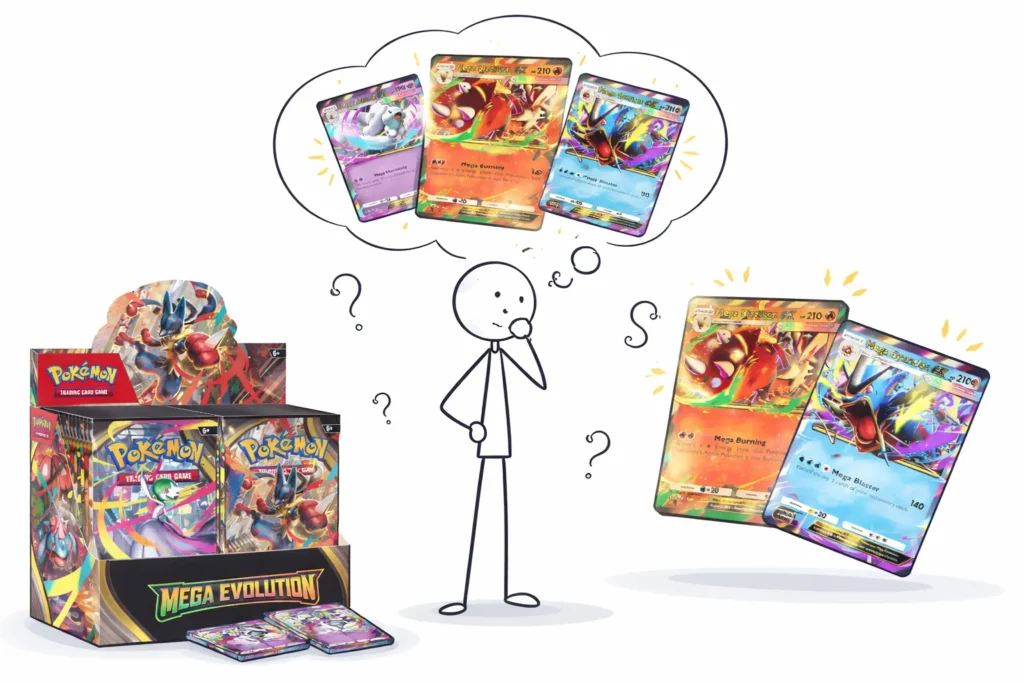
Making Your Decision: A Practical Framework for Smarter Purchases
Making smarter purchases requires deliberate evaluation rather than impulsive clicking.
Step 1 Define Your Primary Goal
Collectors must identify whether they’re building competitive decks, completing sets, seeking entertainment, or operating within budget constraints. Competitive players benefit most from singles. Set builders require a mix of both. Budget-conscious collectors should prioritise singles.
Step 2 Decide Between Excitement or Certainty
Singles provide certainty whilst booster boxes and single packs offer surprise. This choice reflects personal values in collecting. Those calculating return on investment approach pack opening incorrectly. In other words, treat it as entertainment spending, similar tocinema tickets or video games.
Step 3 Set a Budget You Are Comfortable Losing
Decide beforehand exactly how much to spend, regardless of results. Write it down. Once this amount depletes, stop opening. Only allocate money affordable for pure entertainment.
Step 4 Consider a Hybrid Strategy A Quick Self Check Before You Click Buy
Purchase 1-2 booster boxes for the opening experience, then switch to singles for remaining needs. This maintains budget control coupled with enjoyment. Wait several weeks after set releases as singles prices typically drop when supply increases.
Conclusion
Ultimately, the booster box vs single pack debate resolves itself once collectors clarify their goals. Whether seeking the emotional thrill of pack opening or the strategic certainty of specific cards, smarter purchases stem from understanding one’s priorities beforehand. The framework outlined here helps prevent regret-driven spending by aligning budget with objectives. Buy at Sakura Play armed with this knowledge and make collecting decisions that genuinely satisfy rather than simply spend.
FAQ
It depends on your goal. Booster boxes are better for collectors who enjoy opening packs and want broader set coverage, while single packs cost less upfront but offer less overall value per pack. If you are chasing a specific card, buying the single directly is usually the smarter option.
Yes, booster boxes are usually more cost-effective on a per-pack basis. They often come at a lower average cost per pack compared to buying packs individually, which makes them more attractive for collectors opening larger quantities.
If you already know which card you want, buying singles is often the better choice. It removes the guesswork, helps control spending, and gives you the exact card without relying on pull rates or luck.
Booster boxes can be a strong starting point for set completion because they help you collect a large portion of commons, uncommons, and regular rares. However, most collectors still need to buy singles later to complete harder-to-pull cards.
A practical strategy is to buy a booster box if you enjoy the opening experience, then switch to singles for specific cards you still need. This gives you a balance of fun, budget control, and collection efficiency.